Bian Gua
砭刮术
Stone-tool gliding practices used within a structured wellness session.
↘Chinese stone wellness · Shanghai · Since 2011
Zhongbiantang brings a Chinese bian-stone wellness tradition into contemporary practice—through a distinctive warming tool, a structured five-method system, and practitioner education led by founder Ma Yongliang.
中砭堂
ZHONGBIANTANG
01 — The living heritage
Founded by Ma Yongliang, Zhongbiantang is built on approximately 15 years of research, hands-on practice and teaching in bian-stone wellness. Ma is a representative inheritor of the Zhoucun District-level intangible cultural heritage project “Bian Que Technique.” This cultural recognition is not a medical licence or an endorsement of therapeutic efficacy.
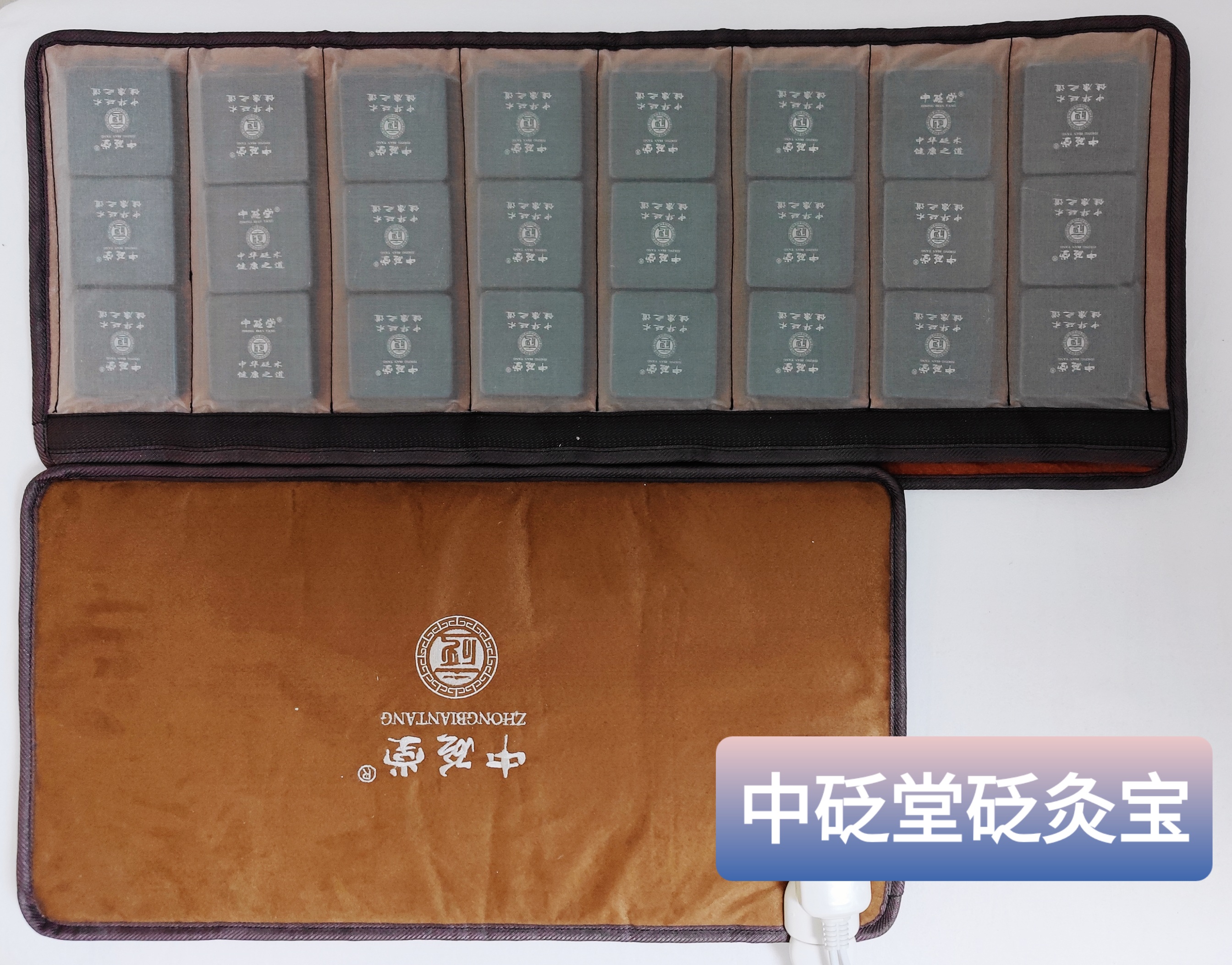 Actual product
02 — Signature product
砭灸宝 · 温热砭石养生器具
A substantial, reusable warming mat that brings carefully selected bian-stone blocks together with controlled heat—designed for slow, guided wellness rituals rather than quick-fix promises.
Multiple thick stone blocks distribute weight and warmth across a broad contact area.
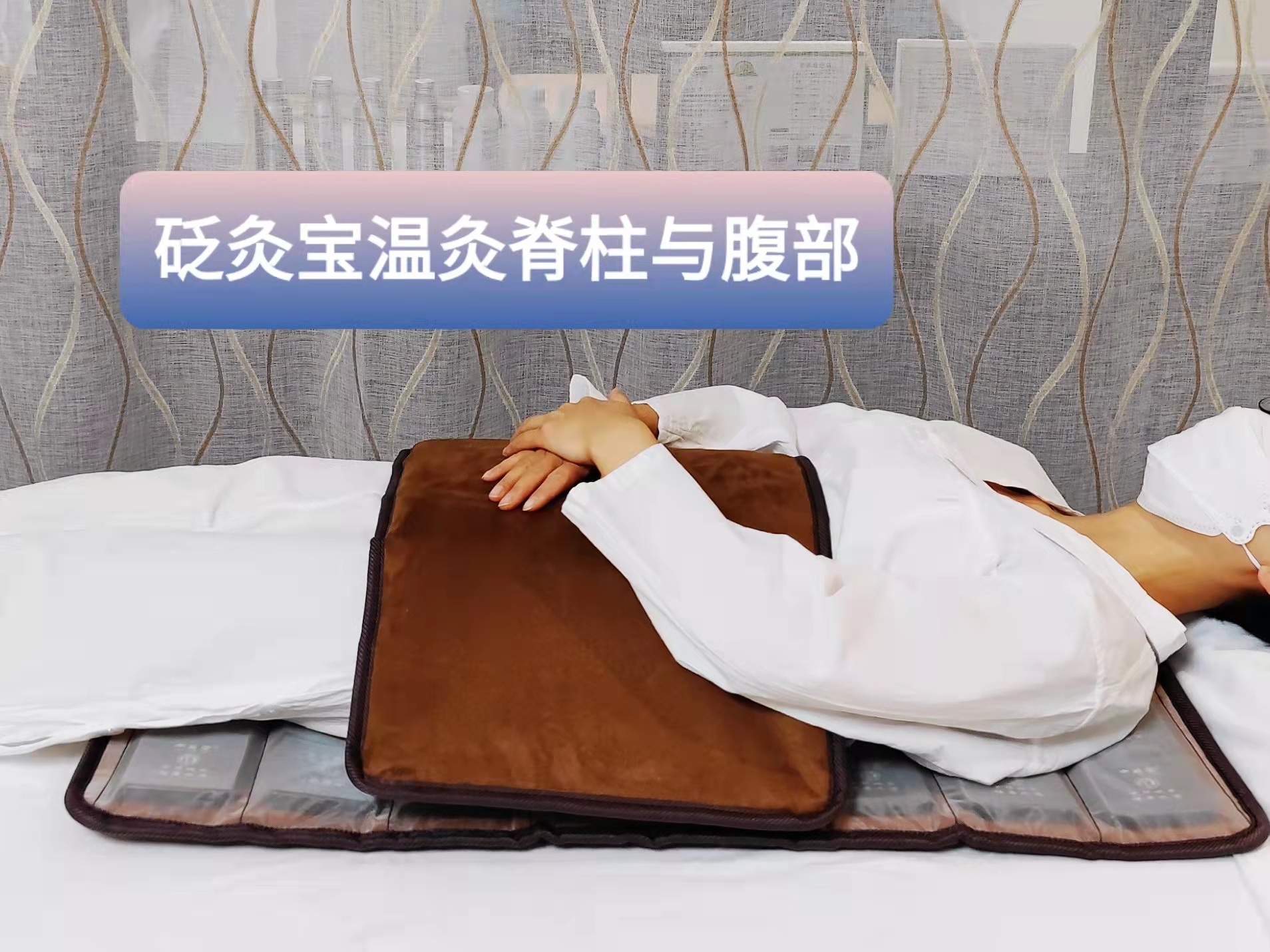
Can be positioned along the back, abdomen or selected limbs, with professional guidance.
A calm, repeatable practice for studios, retreats and suitable home-wellness settings.
Historically offered through staged rental to protect scarce material and lower access cost.
How it is experienced
The Bianjiu Treasure is warmed and placed according to the user, session goal and professional assessment. Zhongbiantang materials document use along the full back, abdomen, neck area, knees, ankles and feet, as well as combined positions. For international use, a local professional should review every protocol against applicable product, consumer and health regulations.
Use with care
Bianjiu Treasure is presented as a wellness tool—not a medical device, diagnosis, treatment or cure. It must not replace qualified medical care.
03 — A complete practice system
Bianjiu is one part of Zhongbiantang’s broader system. Each method works through a different form of contact; none is a universal answer.
砭刮术
Stone-tool gliding practices used within a structured wellness session.
↘砭灸术
A controlled warming practice and the foundation of the Bianjiu Treasure experience.
↘砭罐术
A stone-based cupping practice taught with clear assessment and safety boundaries.
↘砭榷术
Zhongbiantang’s heritage practice, preserved through teaching and supervised practice.
↘砭松术
A hands-on approach focused on soft-tissue relaxation and practitioner skill.
↘04 — Four methods in depth
The distinctions matter. Surface gliding, stone-cup suction, rhythmic percussion and focused soft-tissue contact require different tools, judgments and practitioner skills.
砭刮术
A foundational method for reading the body through touch, direction and tissue response.
Bian Gua uses a purpose-shaped bian-stone tool to glide over selected surface areas. It is the most accessible entry point in the five-method system, but skilled work depends on assessment—not on scraping harder or producing darker marks.
砭罐术
Stone-cup suction becomes a method only when pressure, movement and time are controlled.
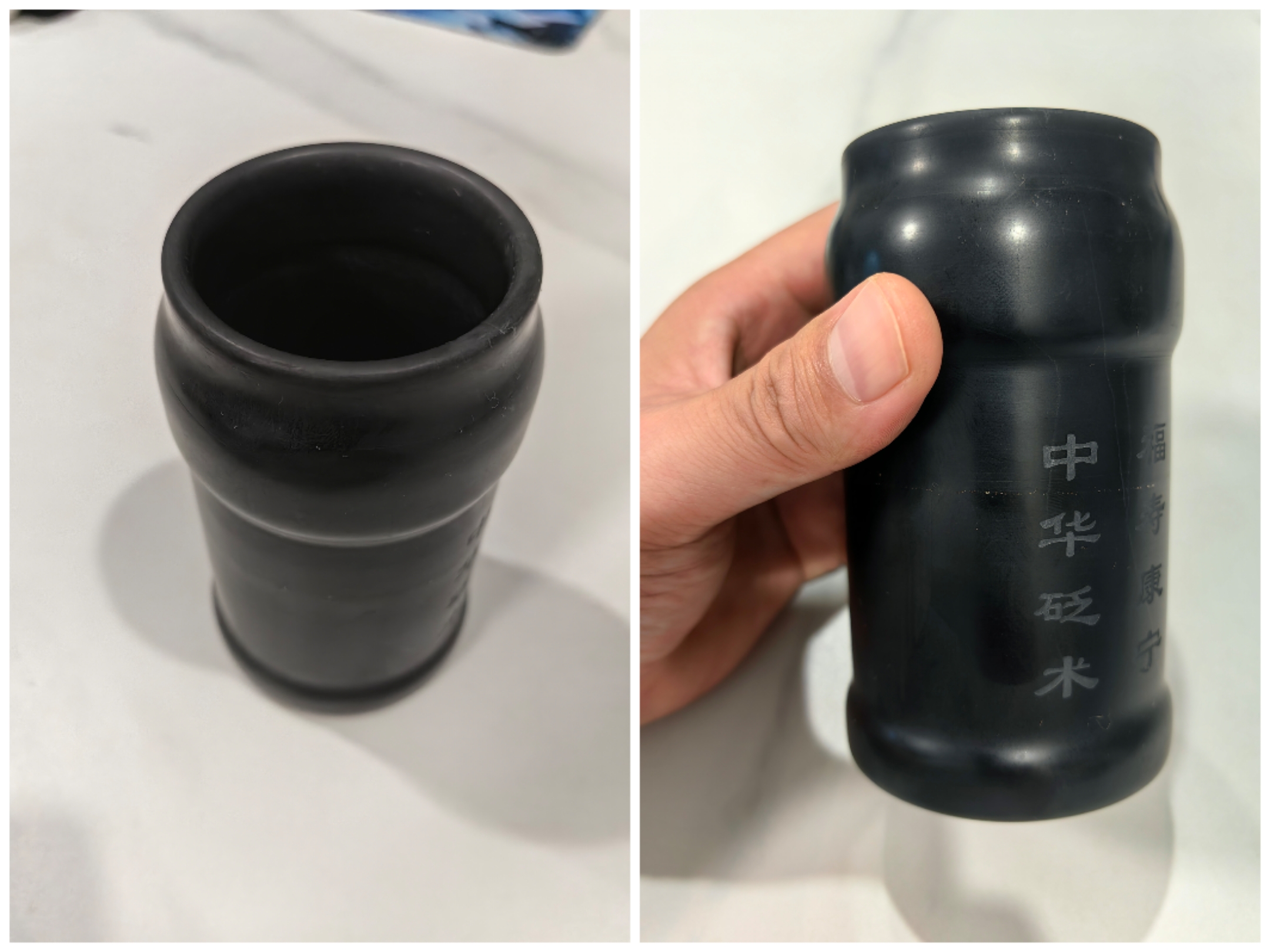
Bian Guan applies a bian-stone cup through stationary cupping, brief repeated contact or carefully guided moving-cup practice. Zhongbiantang treats it as a distinct method for broad tissue mobilisation—not simply as leaving a cup in place.
This bian-stone cup is reserved for Bian Guan practice.
砭榷术
The heritage core of Zhongbiantang: purposeful rhythm instead of forceful correction.
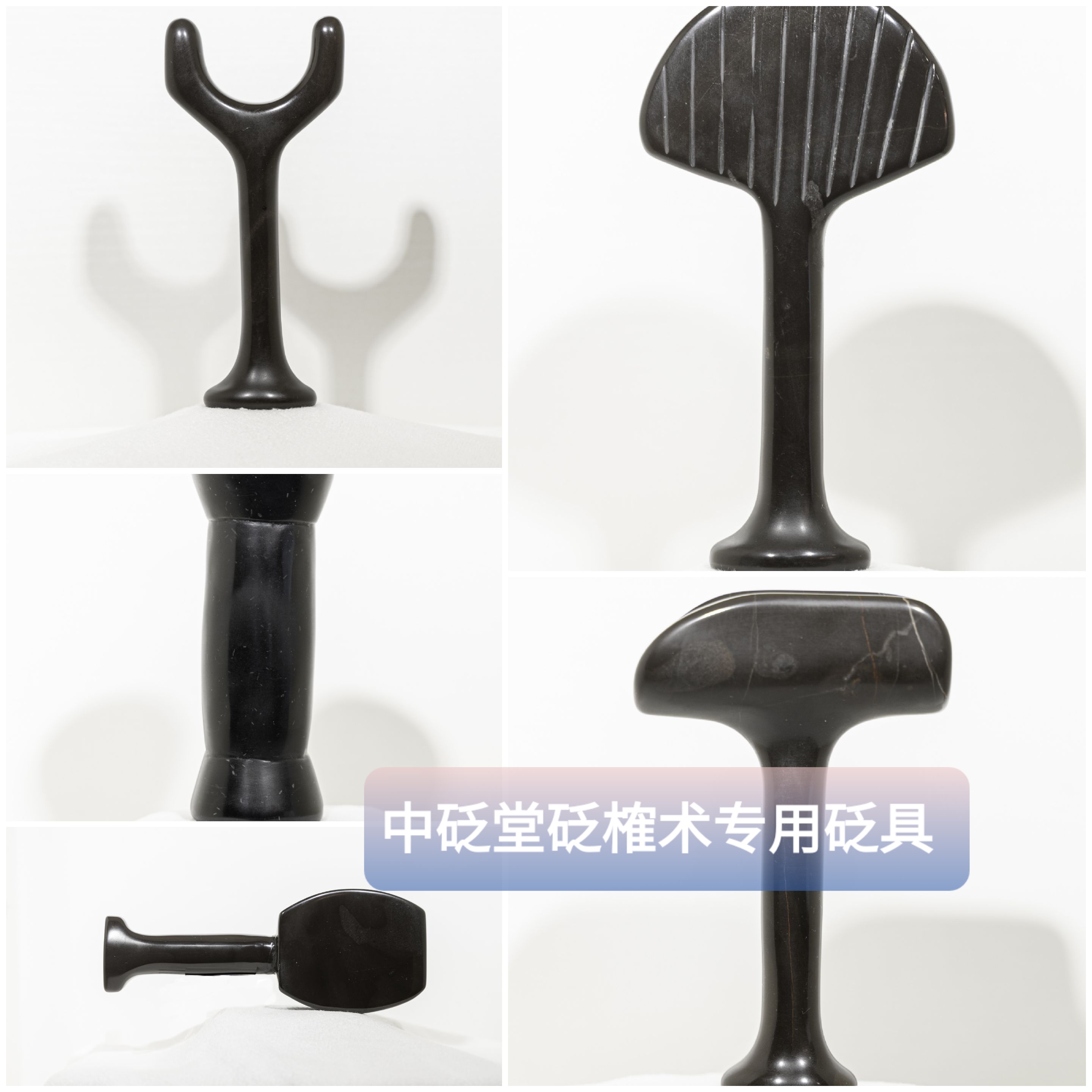
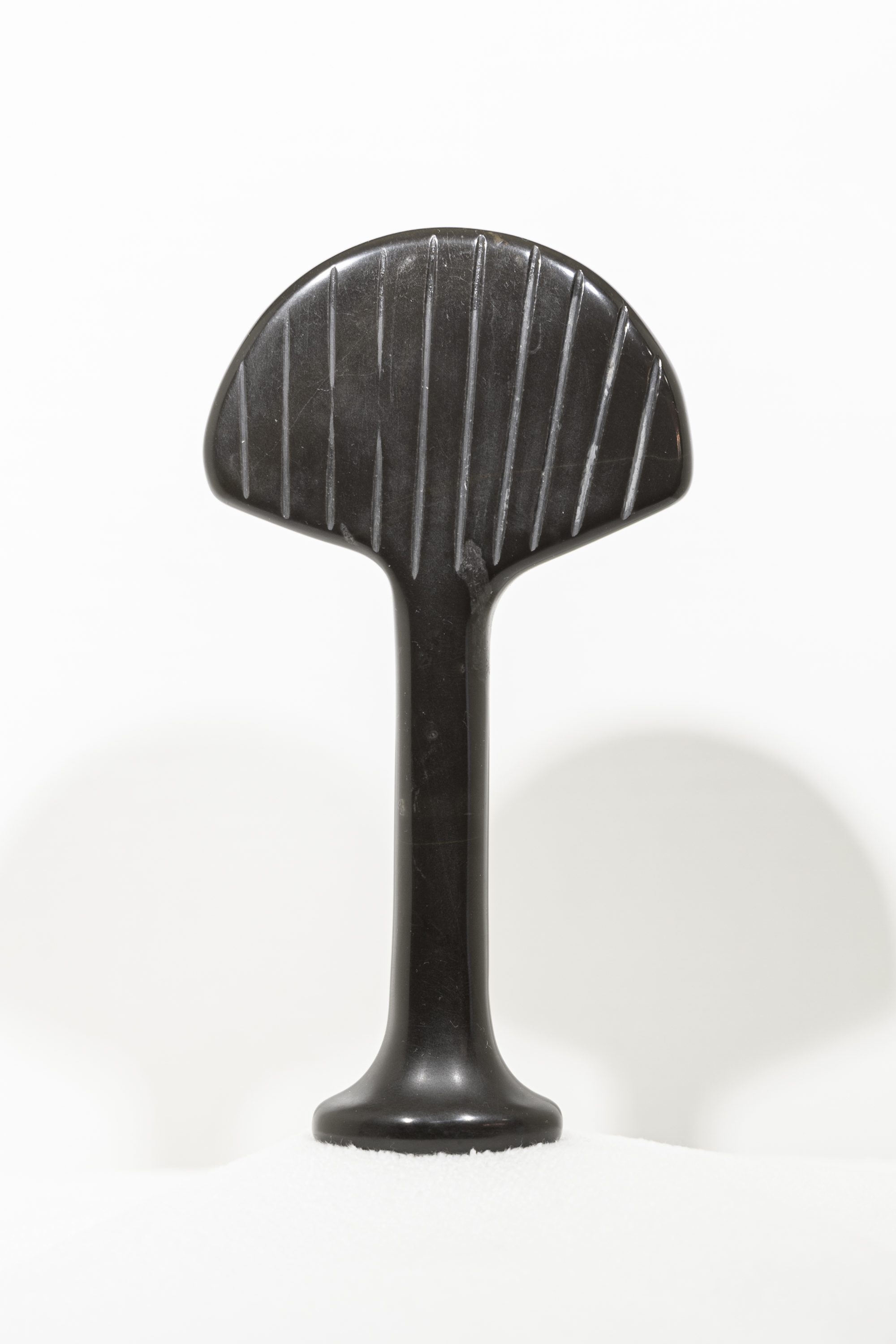
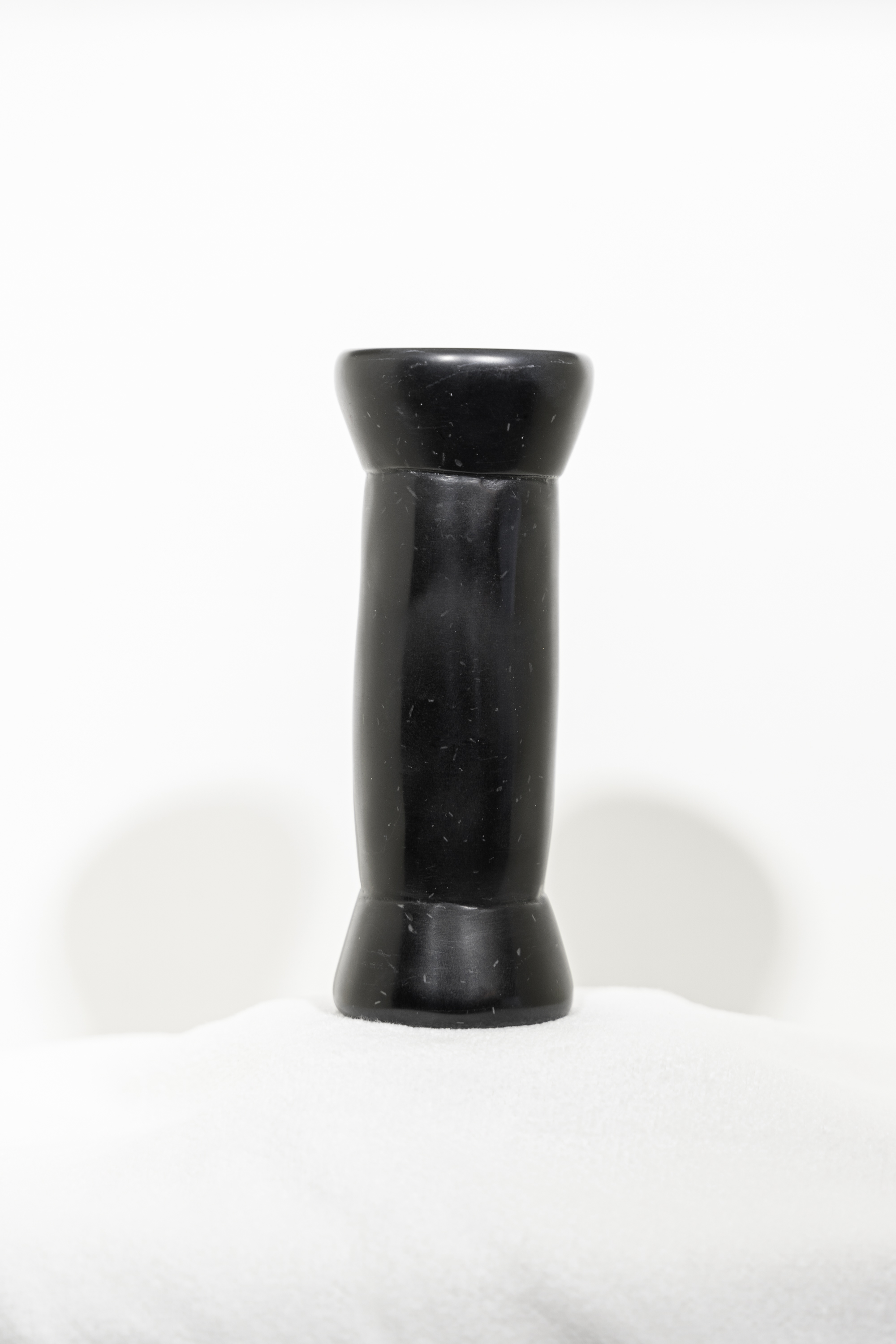
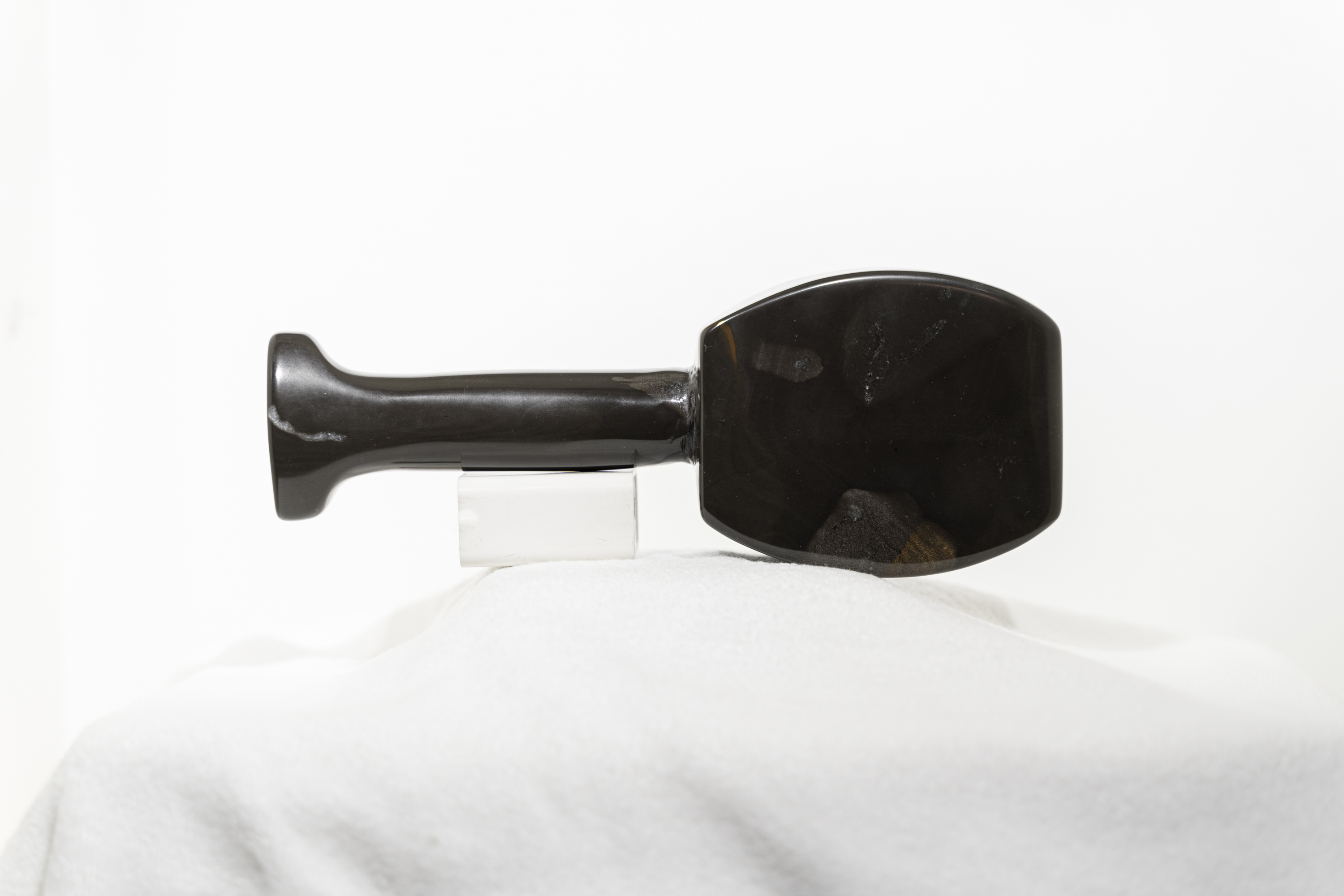
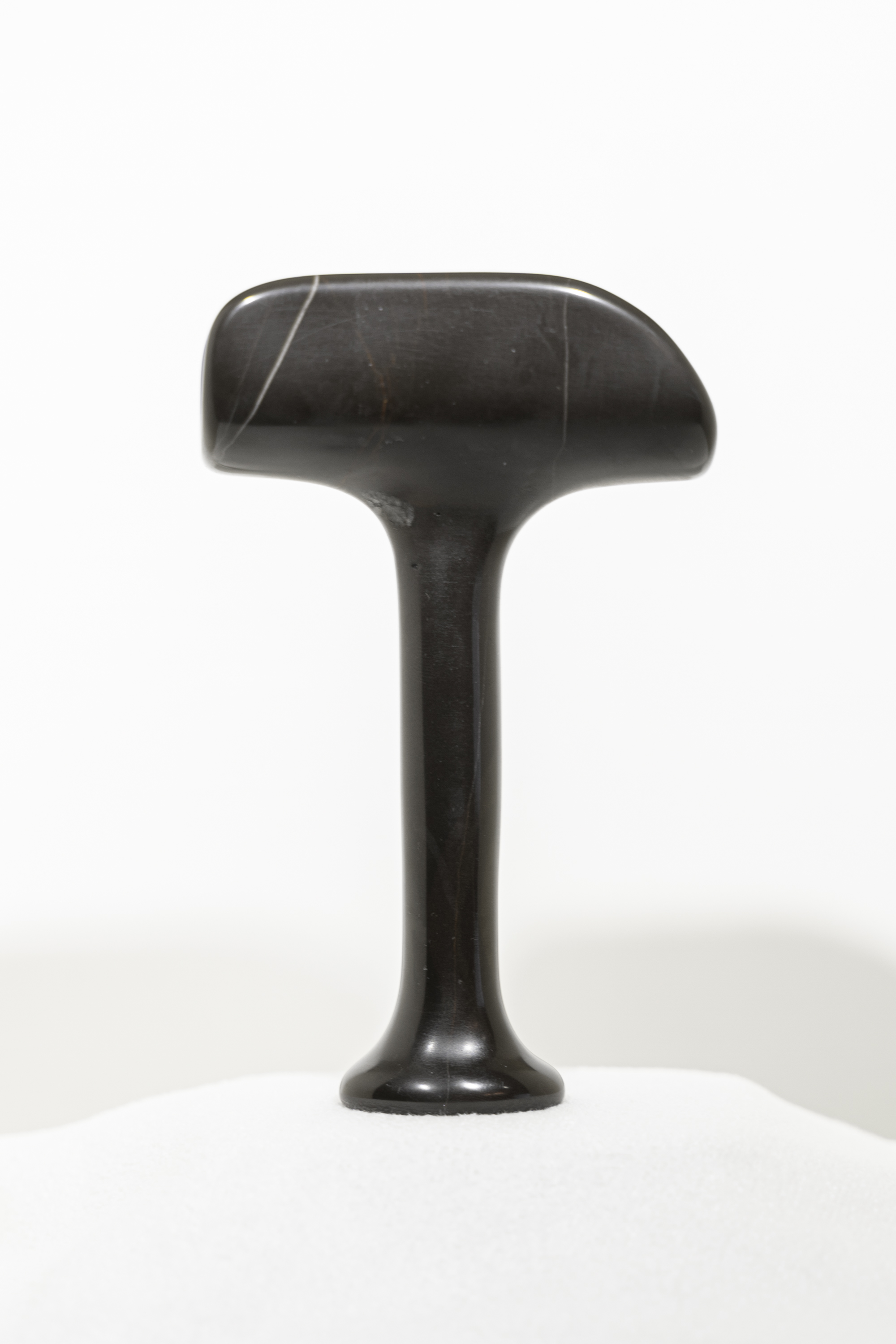
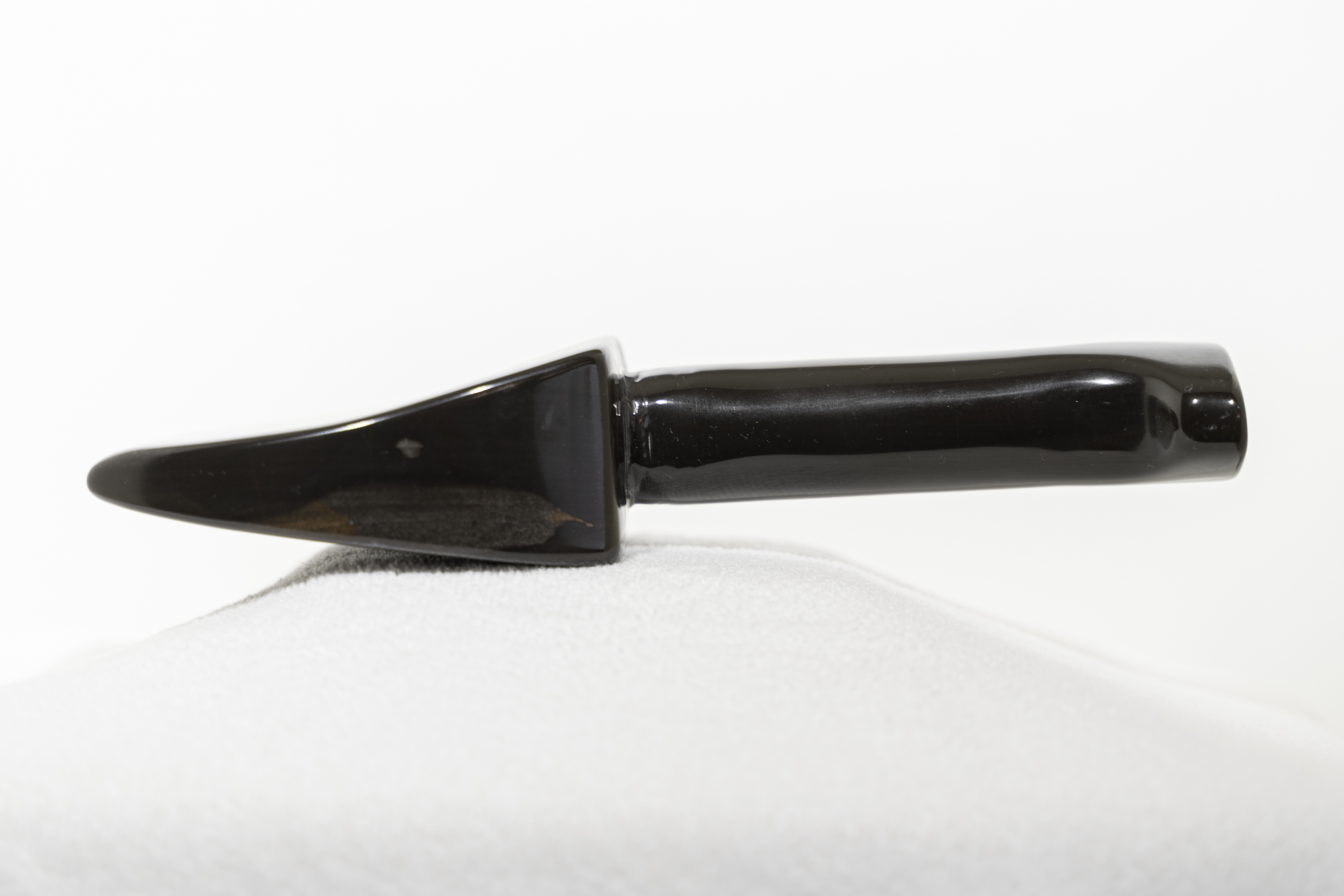
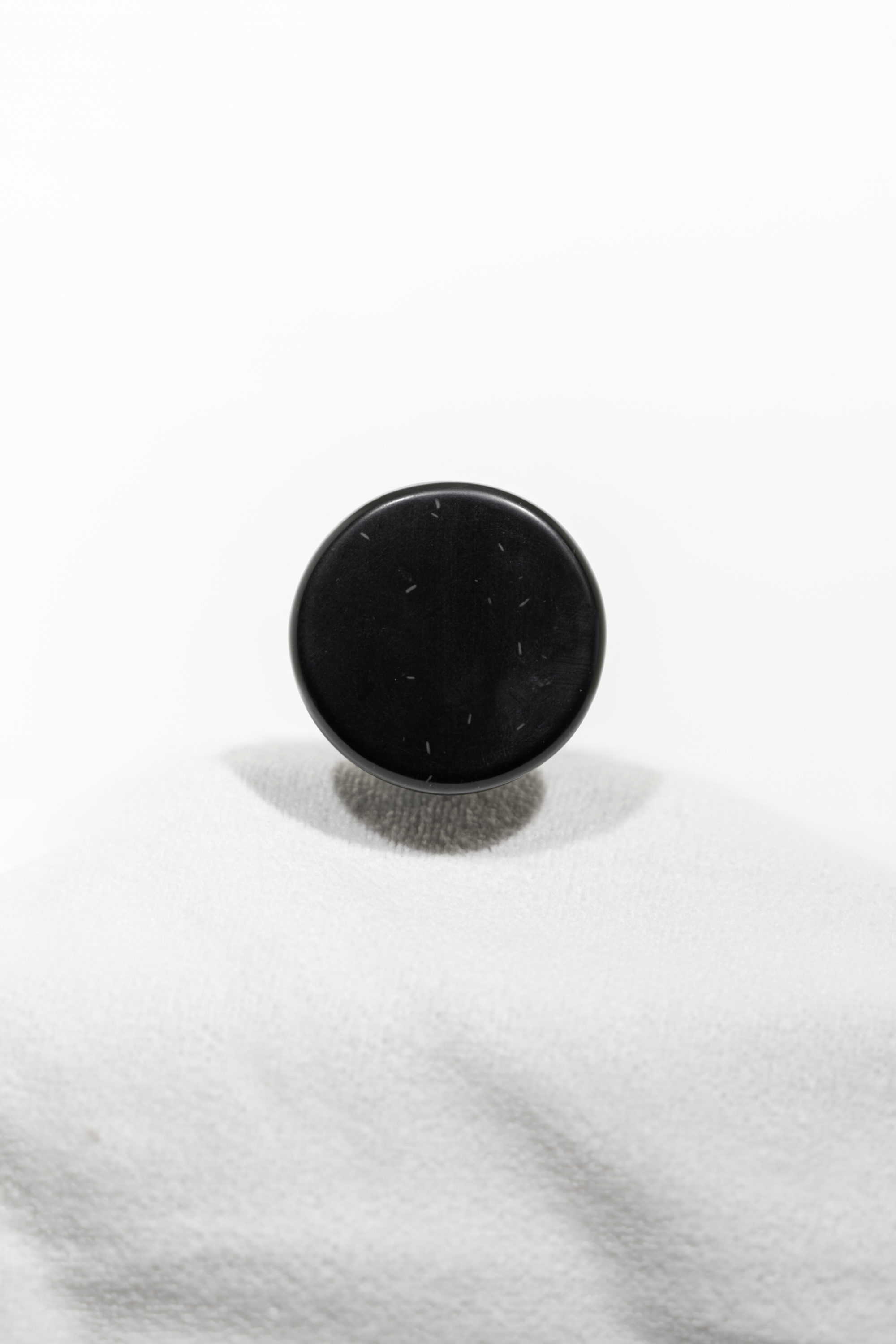
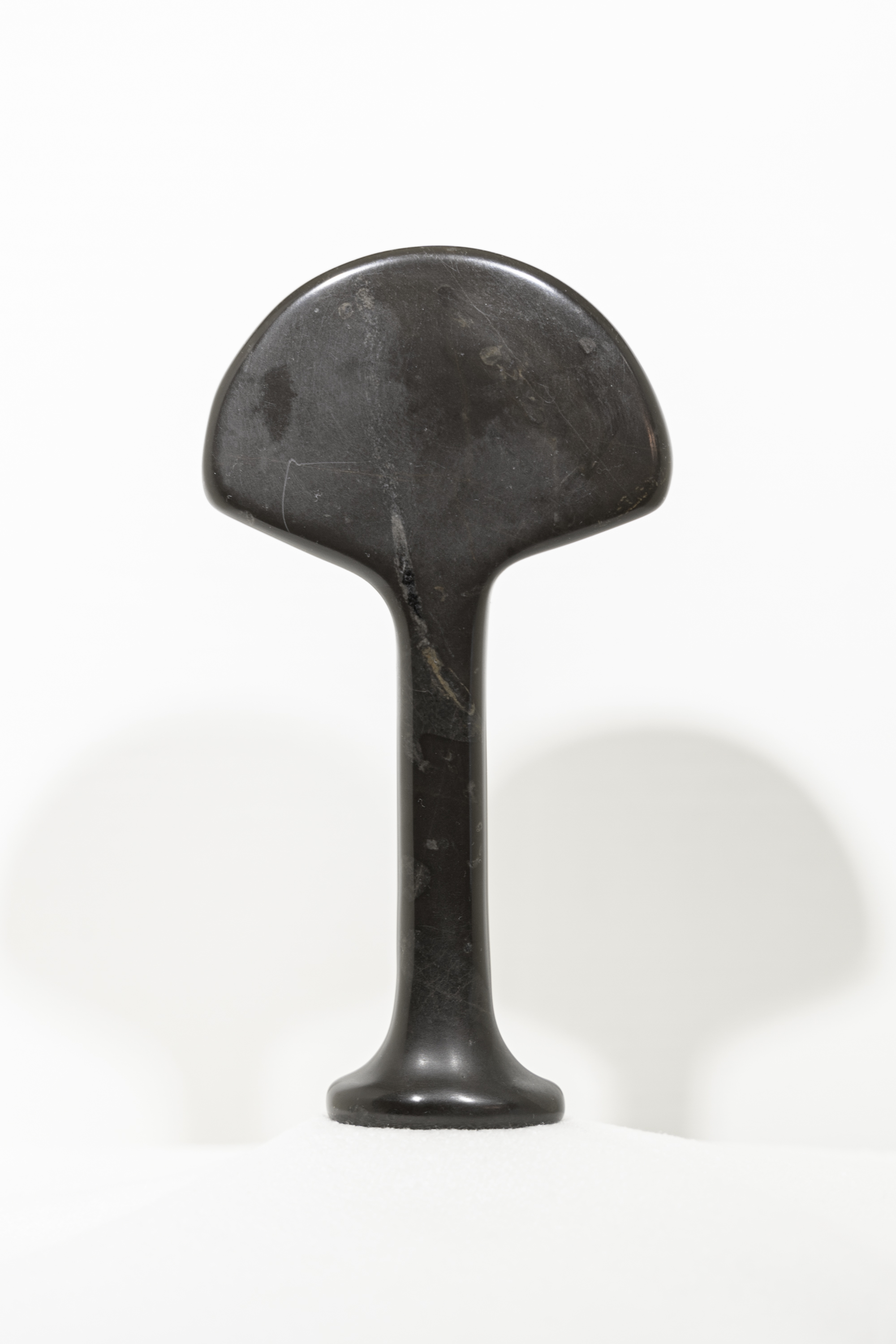
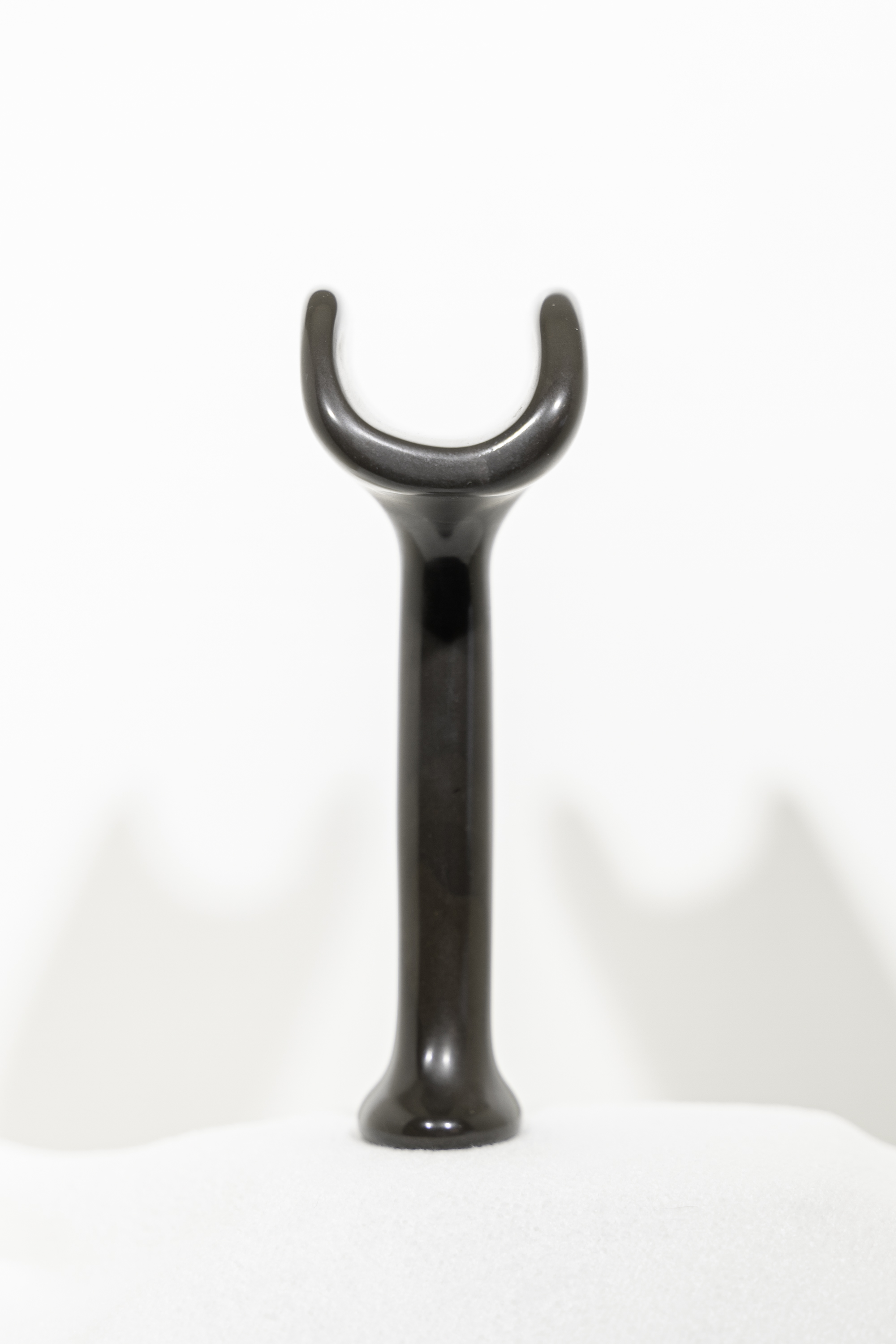
Bian Que is Zhongbiantang’s representative heritage technique. It uses specialised stone tools to deliver measured, rhythmic and purposeful percussion around the spinal structure and related soft tissues. Its working logic is to observe structure and muscular balance together, rather than treating bone and muscle as separate systems.
These purpose-shaped tools belong exclusively to the Bian Que practice system.
砭松术
From a broad area to a precise point: finding tension before trying to change it.
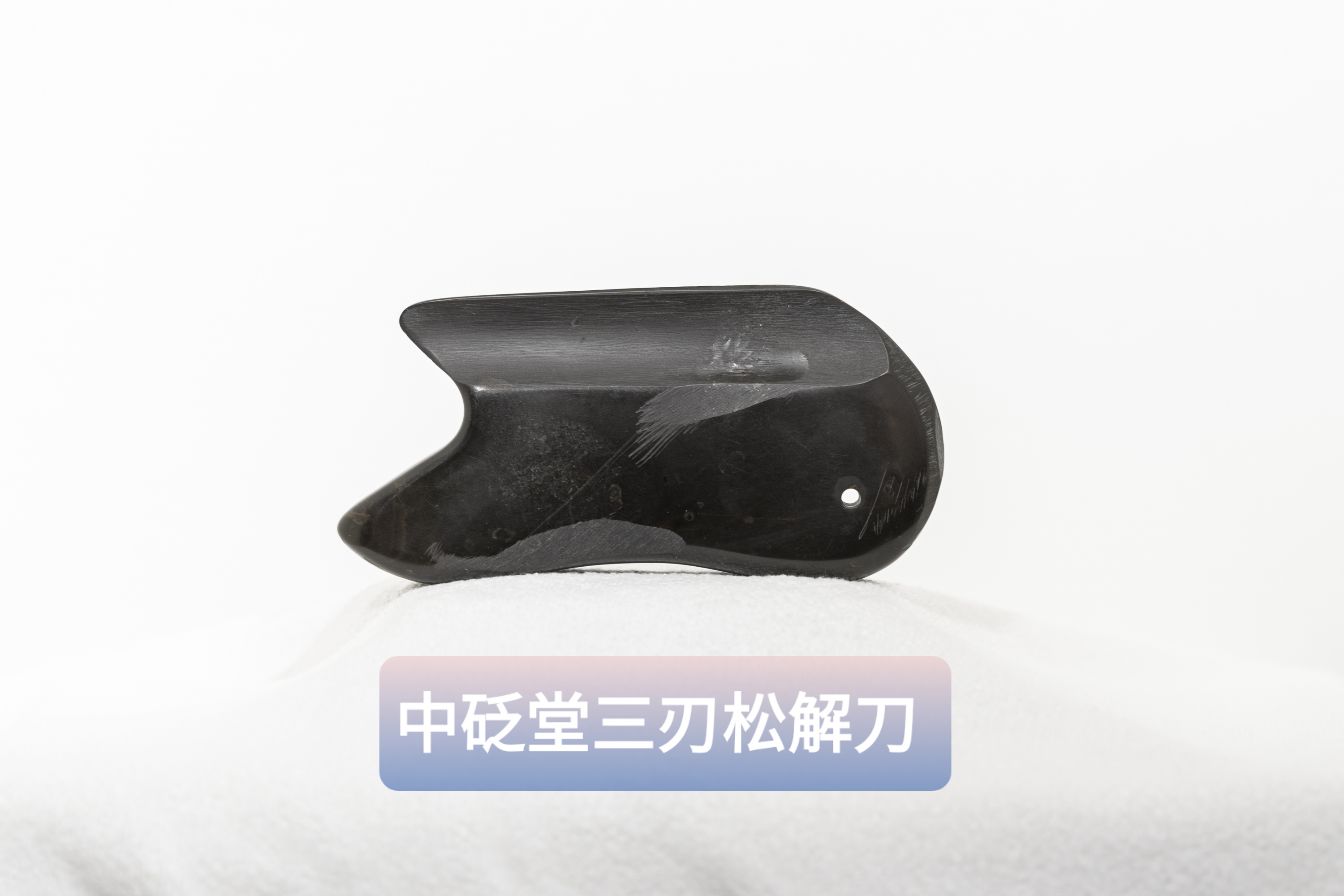
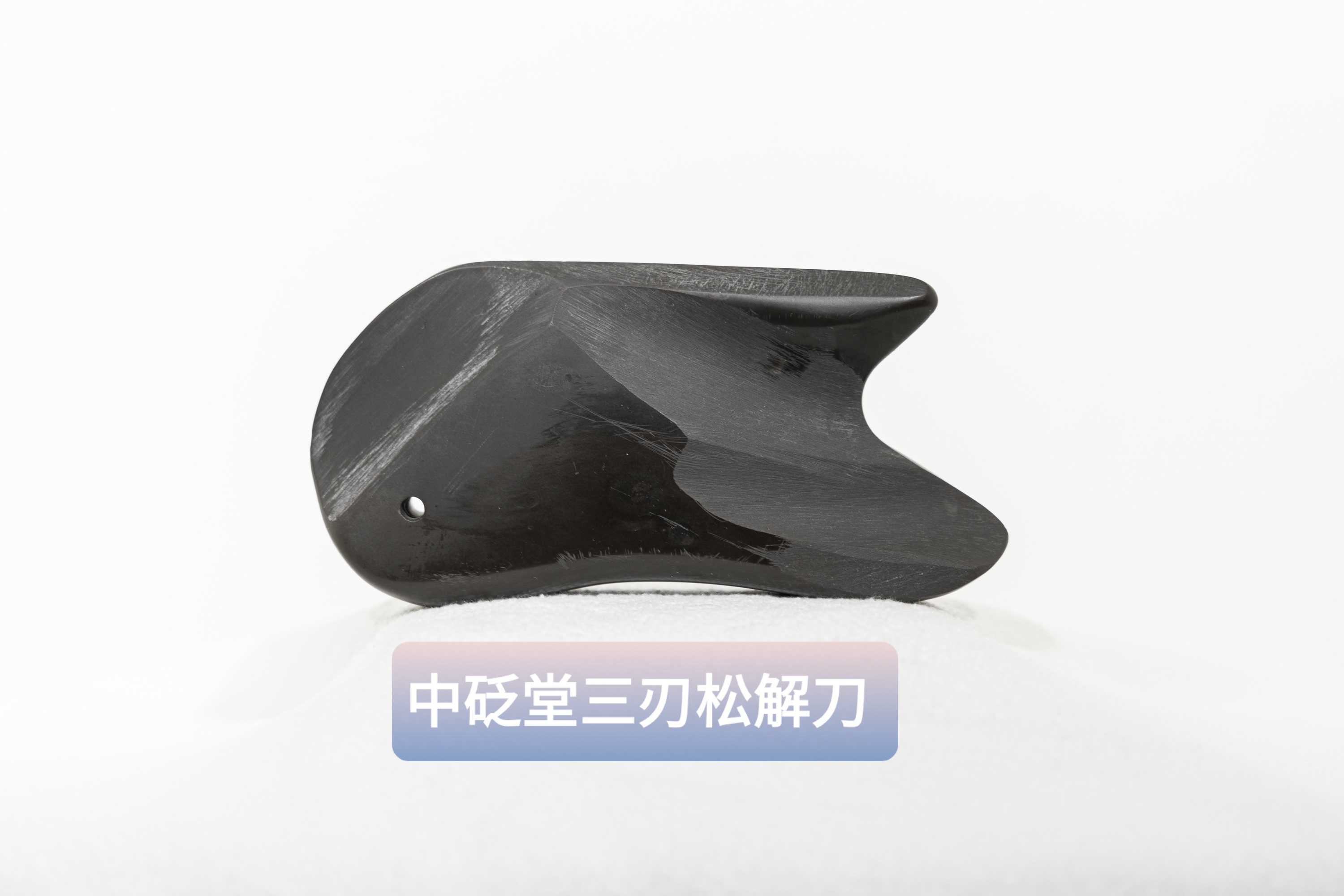
Bian Song is a non-penetrating, tool-assisted soft-tissue method. The practitioner first palpates for differences in tissue tone, tight bands, nodular areas or restrictions around healed scar tissue, then uses controlled pressure, small-directional movement and progressive release. The objective is skilled relaxation—not aggressive tissue damage.
The three-edge bian-stone release tool is reserved for Bianjin Tongjie practice.
How the system connects
This is a knowledge map, not a fixed treatment order. A trained practitioner selects, combines or omits methods after assessment.
04 — Education & transfer
Zhongbiantang’s training direction combines concentrated learning, supervised practice, correction and assessment. The current internal standard separates a short intensive introduction from an approximately 30-day practice period and a skills assessment—because listening to a course is not the same as becoming competent.
05 — Founder
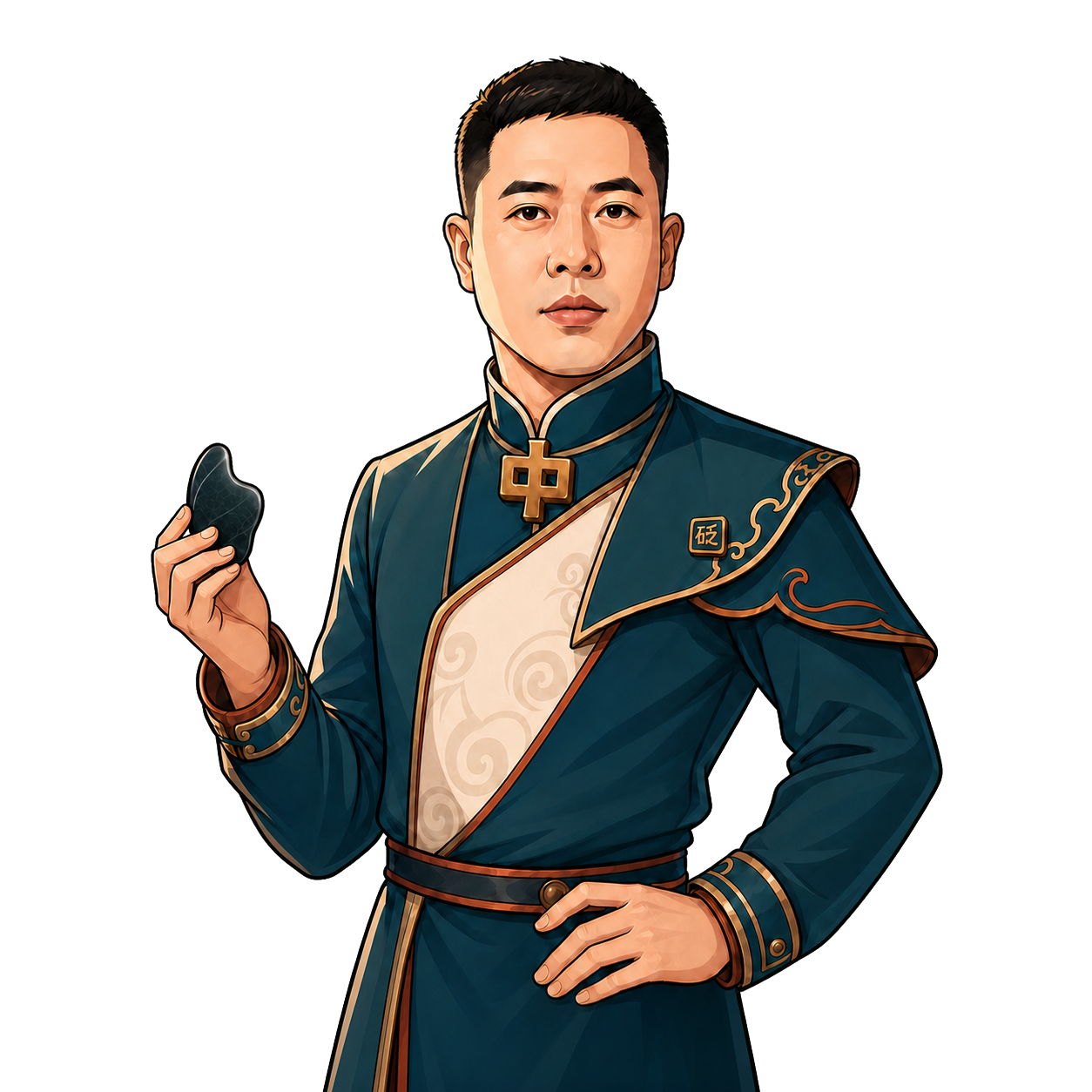
Founder of Zhongbiantang and representative inheritor of the Zhoucun District-level intangible cultural heritage project “Bian Que Technique.” His work spans bian-stone practice, soft-tissue wellness, practitioner teaching and the ongoing standardisation of a living tradition.
“Tradition stays alive when the next person can understand it, practise it safely, and pass it forward with integrity.”
06 — International partnership
We welcome thoughtful conversations with wellness studios, spas, retreat operators, educators, cultural organisations, distributors and research partners in the United States and Europe.
07 — Questions
No. This website presents it as a traditional wellness tool. Any distribution or professional use must be reviewed against the laws and regulatory classifications of the destination market.
Zhongbiantang has historically used a staged rental model. International pilots, purchase structures, logistics and aftercare are discussed case by case.
An international curriculum and bilingual teaching materials can be scoped for qualified partner organisations. Delivery format, translation and assessment standards are agreed before launch.
No unverified medical or therapeutic claim should be used. Partners must follow local advertising, consumer-protection and health-product rules.